
toughened glass 8mm price
Understanding Hose Bib Check Valves A Comprehensive Guide When it comes to plumbing and outdoor irrigation systems, hose bibs play a pivotal role in facilitating water access. However, to ensure optimal performance and prevent potential issues like backflow, the installation of a hose bib check valve is essential. In this article, we will delve into the function, benefits, installation, and maintenance of hose bib check valves, helping homeowners and DIY enthusiasts better understand their importance. What is a Hose Bib Check Valve? A hose bib is a faucet located outside a building, providing a simple way to access water for gardening, cleaning, and other outdoor activities. However, without proper safeguards, water can flow back into the main water supply, posing health risks due to contamination. A hose bib check valve is a one-way valve that allows water to flow in only one direction, preventing backflow and ensuring that any water drawn from the hose bib does not re-enter the potable water supply. Importance of Check Valves The significance of check valves in plumbing systems cannot be overstated. They serve several vital functions 1. Backflow Prevention As water is drawn from the hose bib, a check valve stops any contaminated water from flowing back into the main supply, protecting drinking water quality. 2. Equipment Protection For those using sprinklers or other irrigation systems, check valves can prevent damage caused by backflow pressure, which may harm hoses and fittings. 3. Pressure Regulation Check valves can help maintain consistent water pressure within the system by preventing backflow, which can cause fluctuations in pressure and potentially damage watering systems. Types of Hose Bib Check Valves There are several types of hose bib check valves, each catering to specific needs . The most common include - Spring-Loaded Check Valve Utilizes a spring to keep the valve closed until water pressure from the hose bib opens it. This is a standard type of check valve suitable for most residential applications. - Gravity Check Valve Relies on gravity to close the valve when water is not flowing. This type is less common and generally used in specific applications where gravity can consistently keep the valve closed. - Dual-Check Valve Comprising two separate check valves, this type offers an additional layer of protection, making it ideal for preventing more significant contamination risks. hose bib check valve Installing a Hose Bib Check Valve Installing a hose bib check valve is a straightforward process that can typically be completed with basic plumbing skills. Here’s a step-by-step guide 1. Turn Off the Water Supply Before beginning any plumbing work, ensure the water supply to the hose bib is turned off. 2. Remove the Existing Hose Bib Unscrew the hose bib from its fitting. You may need a wrench for this step. 3. Install the Check Valve Depending on the type of check valve, follow the manufacturer’s instructions. Usually, the valve should be installed in the direction of water flow, which is typically marked on the valve body. 4. Reconnect the Hose Bib Once the check valve is in place, reattach the hose bib to its fitting. 5. Test the System After everything is reconnected, turn the water supply back on. Check for leaks and confirm that the valve is functioning correctly by testing the hose bib. Maintenance Tips Regular maintenance of hose bib check valves is crucial for ensuring they operate correctly over time. Here are some maintenance tips - Inspect Periodically Check for signs of wear, corrosion, or leaks. Regular inspections can help identify issues before they become significant problems. - Clean the Valve Sediment can sometimes build up in the valve, impairing its functionality. Cleaning it periodically can ensure smooth operation. - Winterizing In colder climates, it’s essential to winterize your outdoor plumbing to prevent freezing. This includes draining the hose bib and check valve to avoid damage. Conclusion In conclusion, hose bib check valves are critical components of outdoor plumbing systems, providing essential protection against backflow, equipment damage, and pressure fluctuation. By understanding their purpose, types, proper installation methods, and maintenance needs, homeowners can ensure their irrigation systems operate efficiently and safely. Investing time and effort into installing and maintaining a hose bib check valve will ultimately safeguard both your water supply and landscaping.
about
toughened glass 8mm price
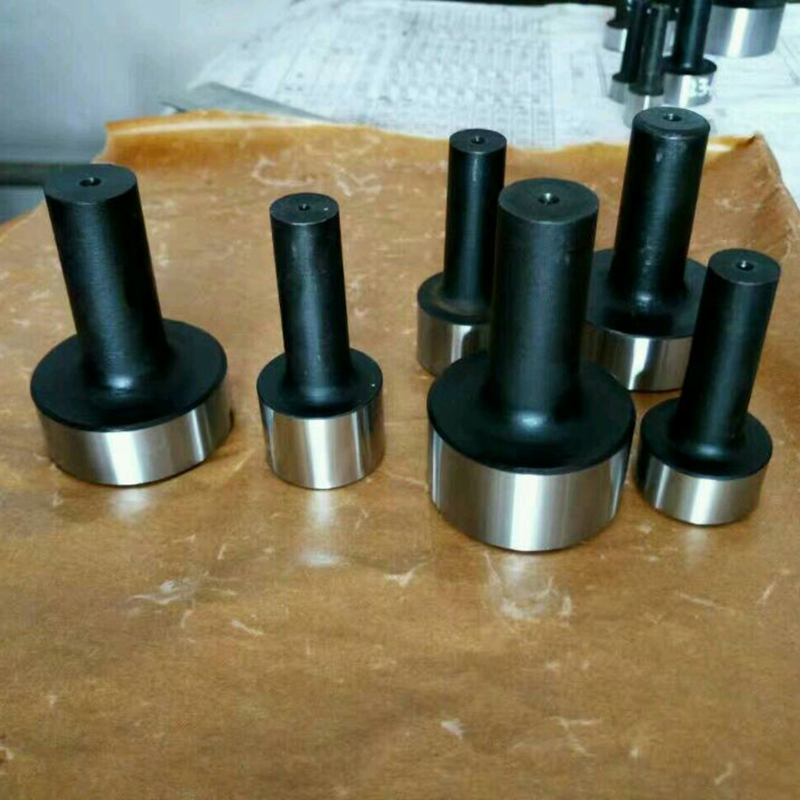
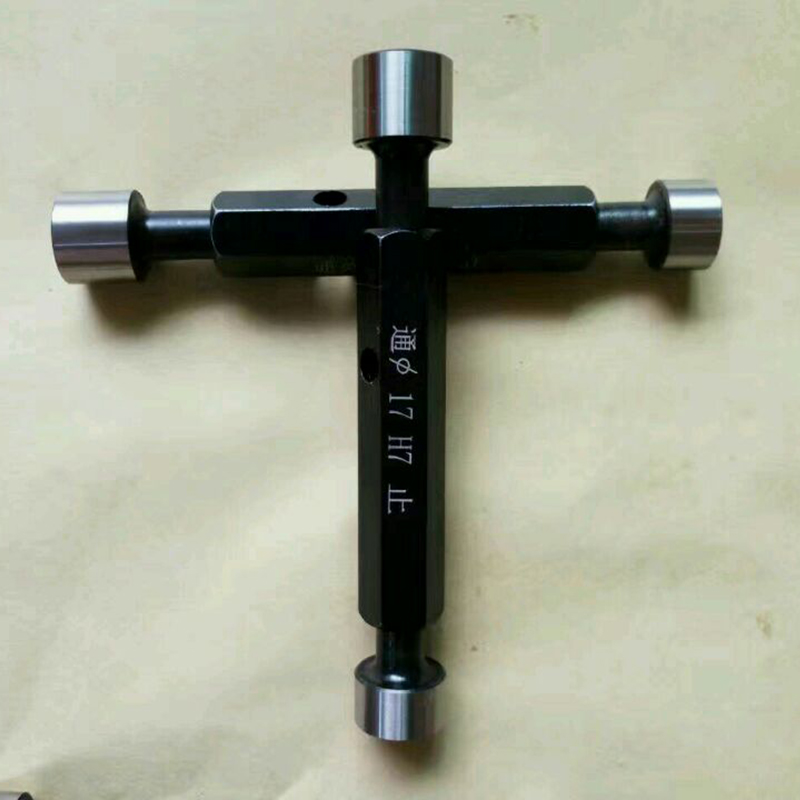
Understanding Gauge Pin Class A Key Component in Manufacturing Precision In the world of manufacturing and engineering, precision is paramount. One of the essential tools that help engineers and machinists ensure their workpieces meet tight tolerances is the gauge pin. Specifically, gauge pins come in various classes, each designed for specific measurement needs. This article delves into the concept of gauge pin classes, their importance, and how they contribute to quality assurance in manufacturing processes. What is a Gauge Pin? A gauge pin is a cylindrical tool used to check the dimensions of holes and slots in machined parts. They are often manufactured to strict tolerances and can be both go and no-go types. A go gauge pin will fit into the hole if it meets the specified dimensions, while a no-go pin will not fit if the dimensions are correct. This binary measure is crucial in ensuring that parts meet the required specifications for functionality, particularly in high-precision fields like aerospace, automotive, and medical device manufacturing. Classes of Gauge Pins Gauge pins are categorized into classes based on their tolerance levels, which dictate their application. The most commonly referenced classes include 1. Class A (Commercial Grade) This class of gauge pins offers general-purpose usability and is typically used in environments where high precision is not critical. They are less expensive than higher-class pins and are suitable for standard applications, such as basic assembly checks. 2. Class B (Precision Grade) Offering tighter tolerances than Class A, Class B gauge pins are used in applications where moderate precision is needed. They strike a balance between cost and accuracy, making them a popular choice for various machining and inspection tasks. 3. Class C (High Precision Grade) These gauge pins exhibit the tightest tolerances and are used in situations where absolute precision is critical. Class C gauge pins are often employed in high-stakes environments, including aerospace and medical applications, where even the slightest deviation can have severe consequences. gauge pin class The classification of gauge pins is vital in determining their applicability in different scenarios. Engineers and quality control professionals must select the appropriate class to ensure product reliability and compliance with engineering specifications. Importance of Gauge Pin Classes in Manufacturing The use of gauge pins in manufacturing cannot be overstated. They play a crucial role in quality control and assurance processes. Here's why selecting the right class is important - Accuracy Different classes of gauge pins allow manufacturers to achieve varying degrees of accuracy. Using a gauge pin with inappropriate tolerances can lead to faulty measurements, resulting in defective products. - Cost-Efficiency By choosing the right class of gauge pins for specific tasks, manufacturers can optimize costs. Using a Class A pin for non-critical applications prevents unnecessary spending on high-precision tools when they are not needed. - Process Improvement Incorporating gauge pins into the manufacturing process improves the overall reliability of the product. Regular checks using the right class of gauge pins can identify issues early, reducing waste, rework, and production time. - Compliance and Standards Many industries are subject to stringent regulatory standards. Using gauge pins that conform to specific classes ensures that manufacturers meet these standards, thereby enhancing product safety and performance. Conclusion In conclusion, gauge pins are an indispensable tool in the manufacturing industry, providing a straightforward means of ensuring dimensional accuracy. By understanding gauge pin classes, engineers and quality control professionals can make informed choices that enhance precision and maintain high standards of quality. As industries continue to evolve and demand ever-higher levels of precision, the role of gauge pins in manufacturing will only grow more critical, underscoring the importance of their classification and application in ensuring successful outcomes.
-

High quality industrial productsagement

High quality industrial products
View Details -

Meet the diverse needs of customers

Meet the diverse needs of customers
View Details -

Strict quality control

Strict quality control
View Details -

Top raw materials

Top raw materials
View Details -

Trusted supplier

Trusted supplier
View Details
Our application

news and information

valve for sale
Understanding the Importance of Quality Valves for Sale Expert Insights For those heavily invested i
Welding Fabrication Techniques and Best Practices for Efficient Projects
Understanding the Importance of Welding Fabrication Tables in the Industry Welding fabrication table
Using stamped truss nails for plate connection.
The Significance of Stamping in Truss Nail Plate Technology In the realm of construction and woodwo
 English